


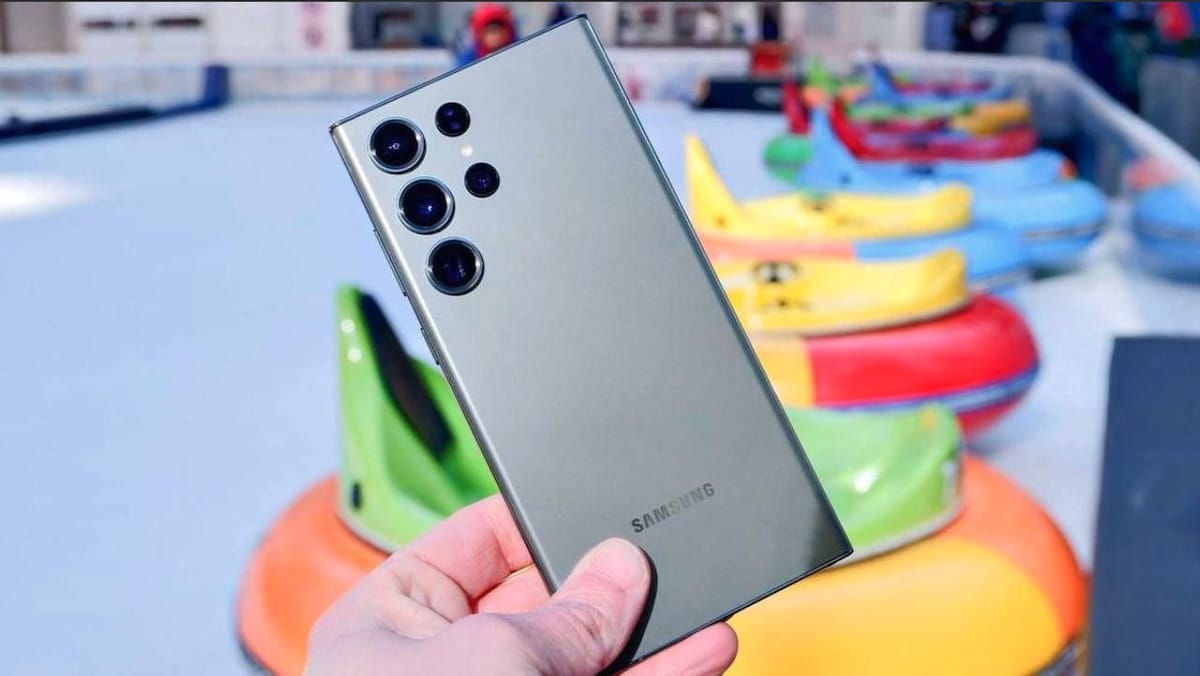
As Samsung unveils its latest series of smartphones, the Galaxy S26 range is off to a flying start, particularly thanks to the Ultra model which is especially appealing to the European market. This promising trend reflects an unprecedented enthusiasm for the technological innovation of the South Korean giant.
The essentials to remember
During the first six weeks after the launch of the Galaxy S26 series, Samsung recorded a 15% increase in sales compared to the S25 series. This success is largely attributed to the enthusiastic reception of European consumers for the Ultra model, which has reached unprecedented sales levels for the brand.
This positive momentum illustrates Samsung’s ability to maintain its leadership in a particularly competitive smartphone market, especially against Chinese brands that are struggling to progress. Indeed, the South Korean brand has seen its global smartphone sales grow by 5%, thus consolidating its dominant position.
Despite encouraging figures in Europe and America, the situation is different in Asia, where sales of the Galaxy S26 have not reached expected levels. In China and Japan, demand was lower than that observed during the launch of the Galaxy S25. This could indicate a decline in Samsung’s appeal in these markets, even though the overall impact remains limited thanks to the unmatched performances recorded elsewhere.
In Europe, the Galaxy S26 Ultra stands out as the star of the series. During the first four weeks following its release, this high-end model captured a significant share of Galaxy S series sales, exceeding all expectations. Its popularity is partly due to a stable pricing policy that encouraged consumers to adopt this premium model.
This pricing strategy has allowed Samsung to effectively meet the growing demand for devices offering advanced features without increasing prices, a determining factor in the success of the Galaxy S26 Ultra on the continent.
Despite the slowdown in sales after the first six weeks, Samsung remains optimistic about continuing this positive momentum. The challenge for the brand will be to maintain consumer interest beyond the launch period, relying on continuous innovation and the expansion of its product offerings.
Faced with this challenge, Samsung could bet on strategic collaborations and the improvement of its connected services to enhance the attractiveness of its smartphones. The brand will also need to closely monitor developments in Asian markets to proactively adapt its strategy.
In 2026, the smartphone market is marked by intense competition, particularly from Chinese manufacturers like Xiaomi and Huawei, who continue to seek to expand their global presence. Samsung, with its capacity for innovation and diverse range, remains in a strong position to meet the expectations of demanding consumers.
To maintain its leadership, Samsung could intensify its efforts in research and development, particularly by exploring new technologies such as foldable screens and energy-efficient components. By adopting these innovations, the South Korean brand can continue to stand out in a constantly evolving market.