


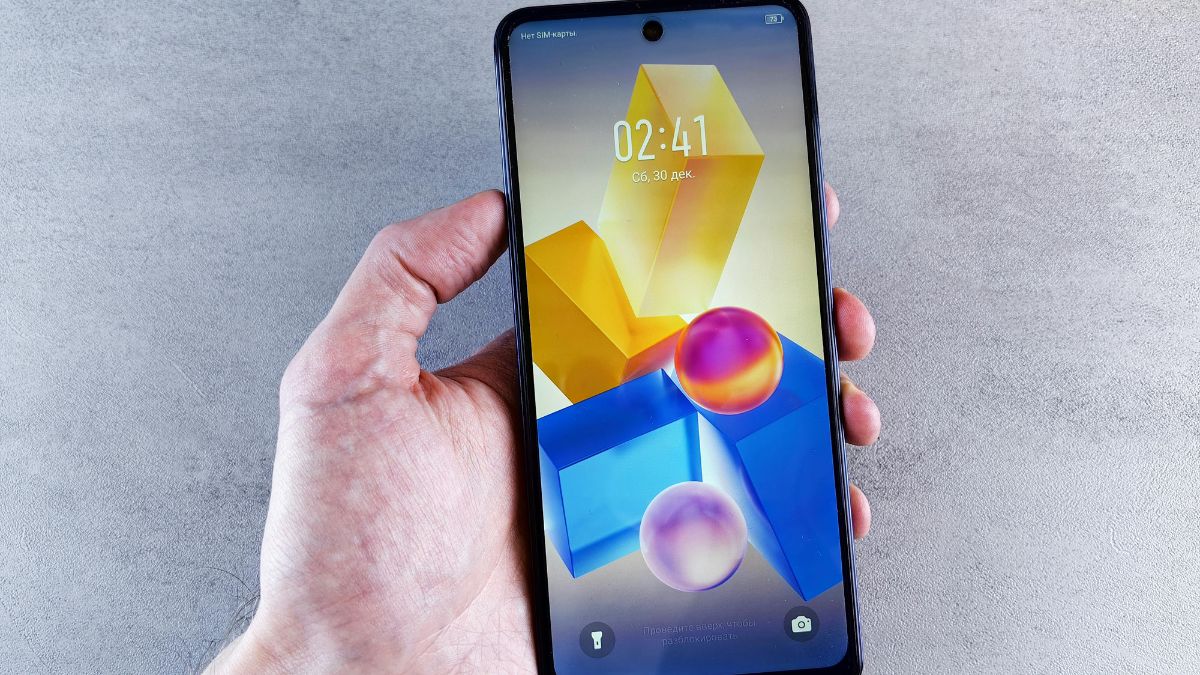
The Galaxy Z Flip 8 continues the evolution of compact foldable smartphones with a flexible screen more resistant than in the first generations. Samsung gradually improves the durability of the internal panel through new materials, reinforced ultra-thin glass, and better surface protection. Despite these advances, the foldable screen remains more sensitive to micro scratches than a classic screen protected by traditional rigid glass.
After about three months of use without additional protective film, many users already observe the appearance of small marks visible at certain light angles. These micro scratches do not necessarily make the device unusable, but they reflect the particular constraints related to foldable screens.
The phenomenon strongly depends on usage habits, daily transport, and the level of exposure to fine dust or abrasive surfaces. Some devices remain relatively clean after several months, while others quickly show visible traces around the folding area and on the most handled parts.
The internal screen of the Galaxy Z Flip 8 still uses a different structure than classic smartphones. Even with the progress made on ultra-thin glass, the top layer remains more flexible to withstand repeated bending.
This flexibility improves resistance to folding but increases sensitivity to superficial micro scratches. Very common objects like dust particles, nails, or certain fibers can leave fine traces over time.
After three months without additional protection, several users often notice between a few dozen and several hundred micro marks visible under strong light depending on the intensity of use.
Most of these traces remain extremely fine and difficult to see when the screen is on. They appear mainly when the panel is off and tilted under a direct light source.
The most affected areas are generally around the center of the screen, where fingers most often pass during navigation gestures.
The lower edge of the screen also receives a lot of friction when opening and closing the smartphone.
Unlike a classic rigid glass screen, very small abrasive particles more easily leave marks on the top layer of the foldable panel.
Even a pocket containing fine dust can gradually generate micro scratches invisible at first but more numerous after several weeks.
READ ALSO
The central folding area concentrates a large part of the physical constraints of the foldable screen. This part undergoes thousands of bends over daily openings.
Even if Samsung regularly improves the mechanical resistance of this area, it remains more sensitive to wear marks than the rest of the screen.
After about three months without protection, some users observe a more visible accumulation of micro marks around the central fold.
These traces appear mainly under strong light or outdoors. They often remain discreet in normal use with the screen on.
The phenomenon varies greatly depending on handling habits. Users frequently opening the phone with one hand or applying more pressure on the center of the panel sometimes accentuate this superficial wear.
Microscopic dust also plays an important role. When closing the smartphone, some particles can exert slight abrasion on the internal surface.
Samsung integrates several internal protections to limit infiltrations, but no system completely blocks the very fine particles present in the daily environment.
Users working in dusty environments or often carrying their smartphone in a pocket without regular cleaning generally observe more micro scratches after a few months.
Samsung installs a factory protective film on its foldable smartphones. This layer plays an important role in the daily resistance of the screen.
However, some users remove this film after several weeks or months to regain a more direct tactile sensation. Without this protection, the screen becomes significantly more exposed to micro scratches.
Feedback shows that a Galaxy Z Flip 8 used without additional film generally accumulates more superficial marks after three months.
The exact level varies greatly depending on usage. A very careful person may observe only a few discreet fine traces, while an intensive user may notice several dozen micro scratches visible under strong light.
Repetitive gestures also accentuate the phenomenon. Frequent scrolling on social networks or mobile games naturally increases permanent friction on certain areas of the screen.
Repeated cleanings can also cause fine marks if abrasive fabrics or dust remain present during wiping.
Foldable screens therefore require a bit more attention than a classic smartphone to maintain a visually clean surface over time.
Modern foldable screens have made significant progress in durability, but their visual aging remains different from traditional smartphones.
After three months without additional protection, the Galaxy Z Flip 8 generally maintains very good display performance despite the gradual appearance of superficial micro scratches.
In most cases, these traces remain mainly aesthetic and do not directly affect image quality or touch responsiveness.
Users most sensitive to visual defects quickly notice the accumulation of small marks under certain light angles.
Recent generations resist much better than at the launch of the first foldable smartphones. Samsung gradually improves the composition of protective layers and the mechanical resistance of the flexible panel.
Despite these advances, foldable screens remain more delicate than classic rigid panels against daily micro abrasions.
Transport without a case, the absence of a protective film, and dusty environments generally accelerate the appearance of these small surface marks.
Users wishing to maintain an impeccable visual appearance over several months often prefer a protective film compatible with foldable screens or more careful handling during cleaning and transport.
The Galaxy Z Flip 8 thus shows the significant progress made in the robustness of foldable smartphones, while reminding that this technology still retains certain sensitivities related to the flexible nature of its internal screen.