


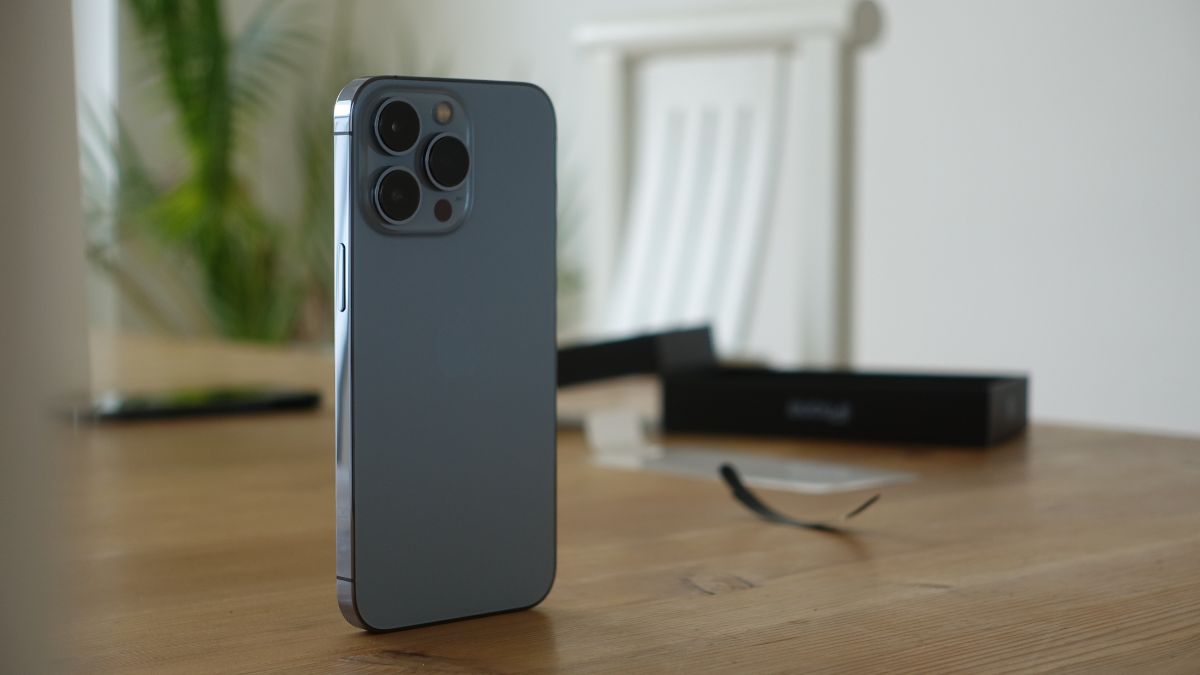
The iPhone 17 Pro particularly attracts the attention of video creators thanks to its advanced capabilities in 4K Dolby Vision capture. Apple continues to push mobile video very far with image quality capable of rivaling some compact hybrid devices in several shooting situations. However, this visual power requires a lot of hardware resources.
Shooting in Dolby Vision 4K at 60 frames per second represents one of the heaviest scenarios for a modern smartphone. The processor, video engine, screen, storage, and photo modules work simultaneously at full capacity throughout the capture duration. This intensive activity naturally leads to high energy consumption.
Initial tests conducted around the iPhone 17 Pro show that a loss of about 5% battery generally appears between 10 and 15 minutes of continuous shooting in Dolby Vision 4K60. However, this estimate varies depending on several parameters such as screen brightness, ambient temperature, the presence of 5G, or the thermal state of the phone.
This autonomy may seem relatively good given the power demanded by this type of advanced video capture. It mainly reflects the progress made by Apple on the energy efficiency of the A19 Pro chip and the overall thermal management of the smartphone.
Dolby Vision 4K60 on iPhone 17 Pro and extremely high energy consumption from the first minutes
Dolby Vision shooting heavily solicits all the internal components of the smartphone. Unlike a simple classic video, this format requires advanced real-time HDR processing to manage bright areas, contrasts, and much richer colorimetric information.
On the iPhone 17 Pro, the A19 Pro processor continuously processes a large volume of data during recording. The neural engine, graphics processor, and video encoding engine remain active simultaneously.
This continuous activity explains why energy consumption increases very quickly from the start of shooting. Even at rest, a modern smartphone already manages several system processes. During a Dolby Vision 4K60 capture, the load becomes much heavier.
The high-brightness OLED screen further accentuates this consumption. During outdoor shooting, brightness often rises very high to ensure good framing visibility under the sun.
Initial estimates show that an iPhone 17 Pro loses approximately 1% of battery every two to three minutes under the most intensive conditions. This corresponds to about 5% in 10 to 15 minutes.
This variation strongly depends on the shooting environment. An indoor capture with active Wi-Fi and reduced brightness consumes less than outdoor shooting in heat with 5G activated.
Dolby Vision files also generate significant activity on internal storage. The high bitrates in 4K60 require constant high-speed writing, which further increases the overall energy load of the phone.
A19 Pro iPhone 17 Pro chip and visible improvement in autonomy during long video captures
Apple seems to have worked hard on the energy efficiency of the A19 Pro chip to improve autonomy during heavy use. Initial data indicates better consumption control compared to the previous generation.
The iPhone 17 Pro would feature a slightly larger battery than the iPhone 16 Pro, with an estimated increase of between 12 and 19% according to some configurations mentioned in the initial technical information.
This capacity increase allows better absorption of intensive video loads like Dolby Vision 4K60.
The finer engraving of the processor also reduces energy losses during heavy calculations. Part of the autonomy gains comes directly from this better SoC efficiency.
Long video sessions particularly benefit from this evolution. In previous generations, intensive shooting sometimes caused an extremely rapid battery drop from the first minutes.
The iPhone 17 Pro seems to stabilize its consumption more over time. Even though Dolby Vision shooting remains very energy-intensive, the drop appears more gradual than in some older generations.
Apple also strongly optimizes the internal load distribution between CPU, GPU, and specialized engines to avoid unnecessary energy peaks.
The dedicated video engine notably reduces dependence on the main cores for certain encoding tasks. This specialization slightly improves overall efficiency during long video captures.
Professional or semi-professional users should therefore benefit from slightly more comfortable endurance on long mobile shooting days.
iPhone 17 Pro temperature and battery variations during prolonged outdoor shooting
Temperature plays a very important role in the energy consumption observed during Dolby Vision shooting. The hotter the smartphone gets, the more some components become energy-hungry.
4K60 HDR shooting naturally generates a lot of heat. The processor processes very heavy video streams while the photo sensor continuously operates at high speed.
This heat becomes even more significant outdoors under strong brightness. The screen then greatly increases its brightness power to remain readable, which accentuates overall consumption.
When the iPhone reaches certain internal temperatures, iOS can automatically reduce brightness or adjust certain system frequencies to preserve thermal stability.
These adjustments sometimes slightly modify the observed discharge speed. A phone that reduces its brightness will consume a little less than a device constantly maintaining its maximum display power.
High temperatures also directly influence the chemical efficiency of the battery. A hot battery discharges more quickly and loses more energy during intensive charges.
Continuous shooting exceeding several tens of minutes naturally accentuates this thermal rise. Users filming long sequences without a break often observe a progressive increase in the rear chassis temperature.
The iPhone 17 Pro, however, seems to distribute this heat better than some older generations. Initial observations mention a slower and less abrupt thermal rise during long video captures.
This more stable management indirectly helps preserve more regular autonomy over time.
5G OLED screen and internal storage strongly accentuate discharge during Dolby Vision capture
Video shooting does not represent the only source of energy consumption during mobile capture. Several secondary components also greatly increase the overall battery expenditure.
The 5G connection is one of the most energy-consuming elements. When a user streams live, automatically saves to the cloud, or uses certain connected applications during shooting, the network modem consumes a lot of energy.
This network activity adds to the already very heavy video processing of the smartphone.
High-speed internal storage also plays an important role. Dolby Vision 4K60 videos generate very large files requiring extremely fast continuous writing.
The higher the video bitrate, the more intensively the storage controller works to maintain constant performance without frame loss.
The high-frequency LTPO OLED screen also increases consumption, especially with maximum brightness activated.
Even some applications open in the background can slightly influence autonomy during long shoots. Cloud synchronizations, geolocation, or AI processing discreetly solicit several system components.
All these elements explain why autonomy varies so much depending on real usage conditions.
A simple offline indoor shoot with moderate brightness will generally last longer than an outdoor capture with 5G, high heat, and a very bright screen.
Professional shooting on iPhone 17 Pro and balance between video quality, autonomy, and heat
The iPhone 17 Pro perfectly illustrates the current compromises of high-end mobile video shooting. Smartphones now achieve impressive image quality, but this video power requires a significant amount of energy in a very compact device.
Dolby Vision 4K60 currently represents one of the most demanding scenarios for a smartphone. Advanced HDR capabilities, stabilization, computational processing, and real-time encoding push internal components to an extremely high level of activity.
Despite this, initial estimates around the iPhone 17 Pro remain rather positive. A 5% loss in about 10 to 15 minutes in this type of heavy capture reflects relatively solid energy efficiency for such a powerful device.
This endurance allows for relatively long video sessions before needing to recharge or use an external battery.
Professional mobile videographers remain attentive to several parameters such as heat, available storage, and thermal stability during long captures.
External accessories are also increasingly used in advanced mobile shooting. MagSafe batteries, external SSDs, or cooling systems help extend performance during long sessions.
The iPhone 17 Pro thus seems to continue Apple’s strategy: offering extremely advanced video quality while gradually improving the balance between power, autonomy, and thermal control in intensive daily use.