


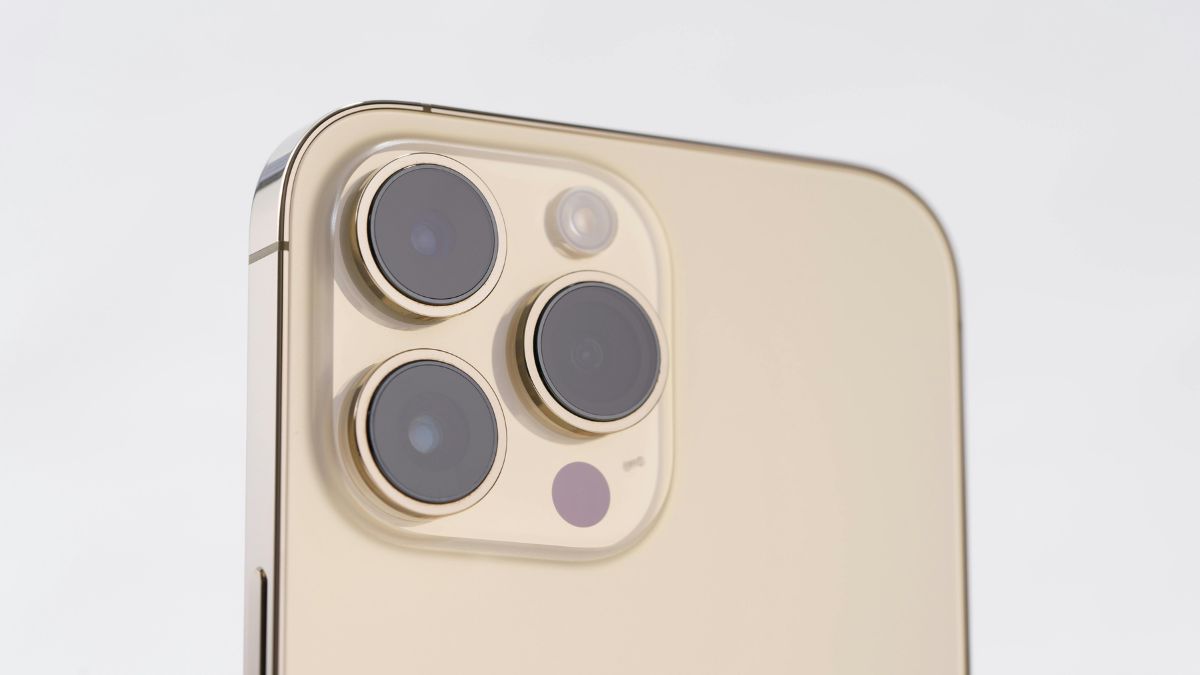
For several years, Apple has been striving to reduce the thickness of its smartphones while maintaining a high level of audio quality. With the iPhone 17 Air, the brand pushes this logic much further thanks to an extremely thin chassis announced around 5.6 mm. This aesthetic choice immediately impresses, but it also raises an important question regarding sound.
Many users who have tested the device mention a less deep reproduction, a more contained volume, and a less immersive soundstage than on the Pro models. Analyses published after the phone’s release indeed show that this extreme thinness forced Apple to make several hardware compromises regarding the speakers.
The topic becomes particularly interesting as high-end smartphones now very often replace compact everyday speakers. Video streaming, TikTok, YouTube, video calls, music on the go, or podcasts are directly played through the phone’s built-in speakers. A drop in sound quality thus quickly becomes noticeable for many users.
So, does the ultra-thin design of the iPhone 17 Air actually reduce bass and audio power? The first tests and the physical constraints of the chassis already provide several very clear answers.
A record thinness that greatly reduces the space available for audio components
One of the main problems comes directly from the extremely reduced internal space.
Smartphone speakers need a certain physical volume to produce convincing low frequencies. The more space the audio module has, the more air it can move, which naturally improves bass depth.
With a phone as thin as the iPhone 17 Air, Apple has much less room to integrate:
• A voluminous acoustic chamber
• A powerful lower module
• Sufficient air circulation
• A large membrane
• A balanced stereo system
The constraints thus become very significant from the phone’s design stage.
Several mobile teardown specialists have observed that the internal architecture of the iPhone 17 Air clearly favors:
• The ultra-compact battery
• Cooling
• Thickness gain
• Weight reduction
In this configuration, the space allocated to the audio system mechanically decreases.
ALSO READ Why photos taken on Snapchat are often worse on Android?
The absence of a true lower speaker completely changes the sound rendering
The iPhone 17 Air does not exactly adopt the same audio architecture as the Pro models.
High-end iPhones usually use a stereo configuration with:
• A powerful lower speaker
• A second module integrated into the upper earpiece
This arrangement creates a wider spatialization sensation and especially a better bass presence.
On the iPhone 17 Air, several tests show that the sound system relies more on the upper module. This produces an experience much closer to a mono rendering than a truly balanced stereo.
This difference quickly becomes audible in several situations:
• Watching movies
• Listening to music
• Video games
• YouTube videos
• TikTok or Instagram streaming
The lack of sound depth is especially noticeable on low frequencies.
Bass-rich tracks lose some of their relief. Voices remain relatively clean, but the reproduction seems narrower and less enveloping than on an iPhone 17 Pro or Pro Max.
Low frequencies are the first victims of the ultra-thin chassis
Bass requires more physical space than mids and highs.
This acoustic reality does not only concern smartphones. It is also found on:
• Bluetooth speakers
• Laptops
• Thin televisions
• Ultra-compact tablets
Even with advanced software processing, it remains difficult to reproduce powerful bass without sufficient internal volume.
The first independent tests published after the release of the iPhone 17 Air show several recurring trends:
• Bass seems more discreet
• Sound becomes more metallic at high volume
• Deep vibrations are less present
• Electro or hip hop tracks lose power
• Cinema effects become less immersive
This situation appears especially when compared to thicker models in the Apple range.
The problem does not mean that the iPhone 17 Air has poor sound. The performance remains high for such a thin device. However, direct comparison with the Pro models quickly reveals the concessions made on audio.
The maximum sound volume also decreases on the iPhone 17 Air
The differences do not only concern the bass.
Several measurements published by audio testers also indicate a decrease in maximum volume. Some tests report about:
• 85 to 86 dBA on the iPhone 17 Air
• Over 100 dBA on some Pro Max models
This difference becomes clearly noticeable in noisy environments.
At high volume, several phenomena occur:
• Sound seems more compressed
• Bass disappears more
• Highs become more dominant
• Spatialization loses breadth
Apple seems to have prioritized controlling internal vibrations and heat over aggressive audio power.
In an extremely thin chassis, too high a volume could also produce:
• Parasitic vibrations
• Sound distortion
• Module overheating
• Faster material fatigue
The power reduction thus seems partially intentional to preserve the device’s overall balance.
Physical constraints remain difficult to circumvent despite software processing
Apple has been using advanced digital processing for several years to improve the audio rendering of iPhones.
The iPhone 17 Air also benefits from several optimizations:
• Software spatialization
• Dynamic sound processing
• Digital bass compensation
• Distortion reduction
• Automatic frequency balancing
These technologies significantly improve the overall rendering.
However, software cannot completely compensate for certain physical constraints.
Even with efficient audio processing:
• A smaller membrane will move less air
• A reduced acoustic chamber will produce less bass
• A single speaker will offer a narrower soundstage
Acoustic laws thus remain difficult to completely circumvent.
Audio-sensitive users quickly notice the difference
Not all users will perceive these differences in the same way.
For some simple uses such as:
• Calls
• Social networks
• Short videos
• Podcasts
• Web browsing
The sound of the iPhone 17 Air remains largely sufficient.
However, music or video streaming enthusiasts notice the differences more quickly compared to the Pro models.
The gaps become particularly visible on:
• Movie soundtracks
• Concerts
• Bass-rich tracks
• Games with immersive effects
• Videos in landscape mode
Several users describe a more “flat” and less ample rendering than on thicker iPhones.
Apple seems to have prioritized design over sound power
The iPhone 17 Air perfectly illustrates the compromises imposed by ultra-thin smartphones.
Apple clearly sought to produce:
• The thinnest iPhone ever designed
• A lighter device
• A more elegant grip
• A visually spectacular design
But this quest for thinness automatically leads to several material sacrifices.
The compromises notably concern:
• The battery
• Cooling
• Internal space
• Camera modules
• Speakers
The choice made by Apple seems to assume that the majority of users now use:
• AirPods
• Bluetooth earphones
• External speakers
• Wireless headphones
In this logic, integrated speakers become less of a priority than design or portability.
Pro models retain a clear advantage for users demanding sound quality
Compared to the iPhone 17 Air, the Pro versions retain several important advantages in the audio department.
Thicker models allow for:
• Better stereo distribution
• Deeper bass
• More powerful volume
• A wider soundstage
• More balanced reproduction
Users who regularly watch movies or listen to a lot of music without headphones will quickly notice this difference.
The iPhone 17 Pro Max remains particularly more efficient on:
• Bass
• Maximum power
• Video immersion
• Spatial effects
• Overall sound richness
The choice between the two models thus strongly depends on the user’s priorities.
The ultra-thin design of the iPhone 17 Air truly alters the audio experience
The first feedback and acoustic analyses converge on the same conclusion. The extremely thin chassis of the iPhone 17 Air indeed reduces bass depth and the overall performance of the integrated speakers.
This reduction mainly comes from:
• The lack of internal space
• A simplified audio architecture
• The absence of a powerful lower module
• Physical constraints difficult to compensate
Apple nevertheless manages to maintain decent sound quality thanks to its advanced software processing. However, users demanding audio quality will quickly notice a difference compared to thicker Pro models.
The iPhone 17 Air clearly prioritizes:
• Thinness
• Reduced weight
• Design
• Portability
In exchange, bass becomes less present, and the stereo experience loses some of its relief. For some users, this compromise will remain acceptable. For others, especially music and video enthusiasts, the Pro models will retain a clear advantage in overall sound quality.