


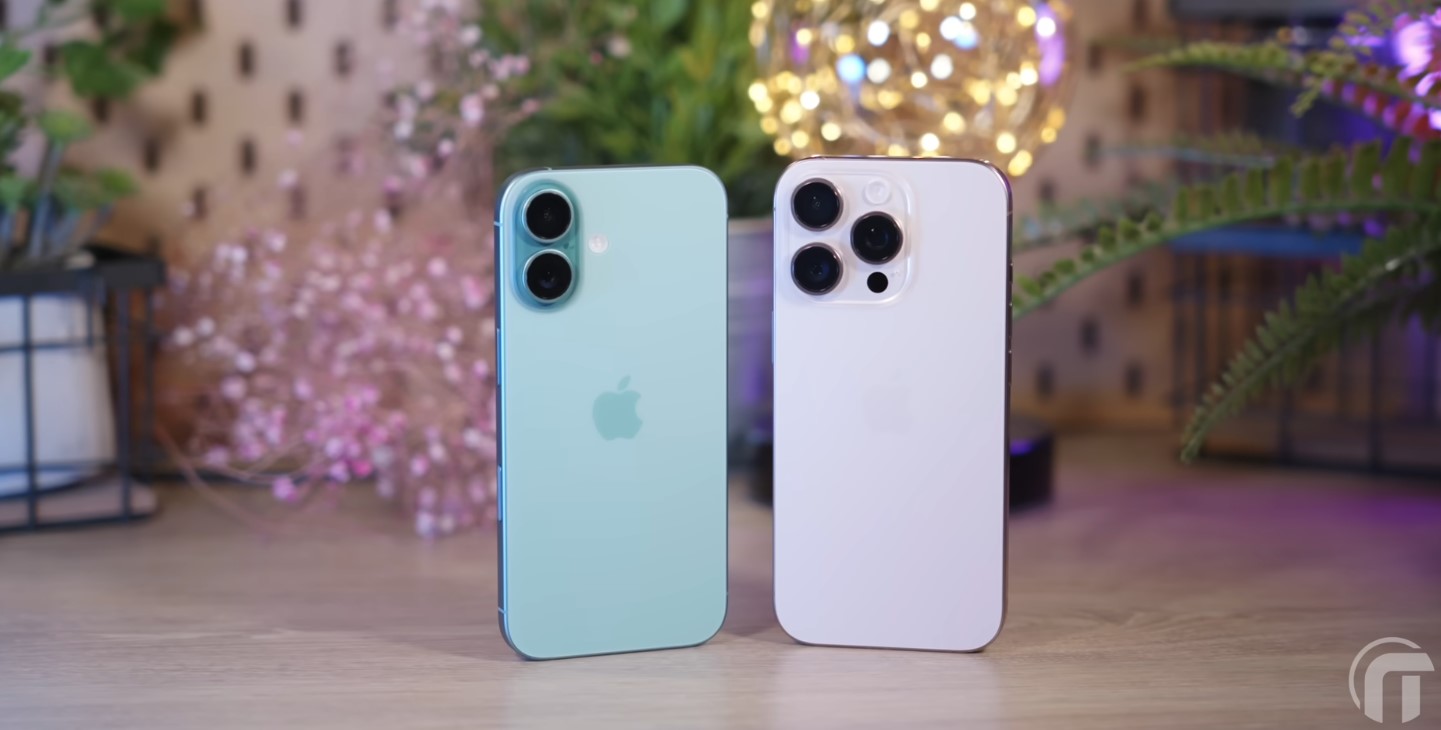
Finding a high-performance smartphone under the €500 mark today requires a minimum of sorting. Between recent Android models and refurbished iPhones, the differences are no longer just about power. Autonomy, photo quality, update duration, and ease of use now make all the difference.
The market has evolved rapidly: in 2025, more than 65% of smartphones sold in Europe under €500 run on Android, but refurbished Apple is making strong progress with an estimated increase of +18% year-on-year. This dynamic changes the game for buyers who hesitate between new and refurbished.
On the Android side, the offer is dense and sometimes difficult to read. On paper, many models display similar features: AMOLED screens, multiple photo sensors, fast charging, but not everything is equal once in hand.
The Google Pixel 9a or refurbished Pixel 9 remains a reference for photography. The software processing makes the difference with more balanced shots, especially in low light. Google promises up to 7 years of updates, a rare figure at this price level, which clearly extends the usage duration.
The Samsung Galaxy A56 plays on another field. Its AMOLED screen offers very good readability, even outdoors. Samsung generally offers 4 to 5 years of updates, which remains solid. The whole is balanced, without marked weaknesses, but without major surprises either.
At Nothing, the Phone (3a) and 3a Pro focus on a different design and a light interface. The experience is smooth thanks to a lightly loaded overlay. In terms of price, they are often 10 to 15% below equivalent competitors, making them an interesting choice for those who want a fast device without paying for unnecessary options.
Finally, the Xiaomi Redmi Note 15 Pro Plus attracts with its ultra-fast charging and generous storage. Some models reach 120W, allowing several hours of autonomy to be recovered in a few minutes. However, software support is often shorter than with Google or Samsung.
On the Apple side, it’s impossible to find new at this price, but refurbished opens interesting doors. Models released a few years ago remain very solid today.
The iPhone 13 Pro remains a safe bet. Its 120 Hz screen provides real visual comfort, and the A15 Bionic chip maintains very good performance, even against recent Android models. In practice, it can still last 3 to 4 years without major slowdown for most uses.
The iPhone 13 and iPhone 12 mini focus on compactness. The mini format is increasingly rare on the market. However, autonomy can be tighter, especially on the 12 mini which has a smaller battery. This is a point to watch when purchasing.
Apple retains an advantage in terms of software support duration. An iPhone receives on average 5 to 6 years of iOS updates, sometimes more. This guarantees prolonged access to new versions and security patches, which remains a strong argument against some less-supported Androids.
In terms of photography, the gap does not depend solely on the number of megapixels. Pixels often dominate thanks to software processing, while some Xiaomi or Samsung models favor versatility with multiple sensors. In practice, Pixel shots are often more natural, with better contrast management.
In terms of power, iPhones maintain an edge over time. An older Apple chip can rival recent Android processors on certain tasks. This is particularly noticeable in games or heavy applications.
Autonomy varies greatly depending on the models. Recent Android smartphones often come with 5000 mAh batteries, allowing a full day without difficulty. iPhones compensate with effective software optimization, but some compact models require a recharge at the end of the day.
The choice no longer rests solely on the brand. It all depends on what you really expect from your smartphone.
A new Android model brings recent components, often a more generous battery, and technologies like fast charging. It’s an interesting option for those who want a modern device without immediate compromise.
A refurbished iPhone, on the other hand, bets on stability over time. The interface remains smooth for several years, and extended updates ensure some peace of mind. However, one must accept older hardware and sometimes an already used battery.
Today, under €500, there are no longer bad choices, but rather different orientations. Advanced photography, long-lasting autonomy, compactness, or software longevity: each criterion can tip the balance.