


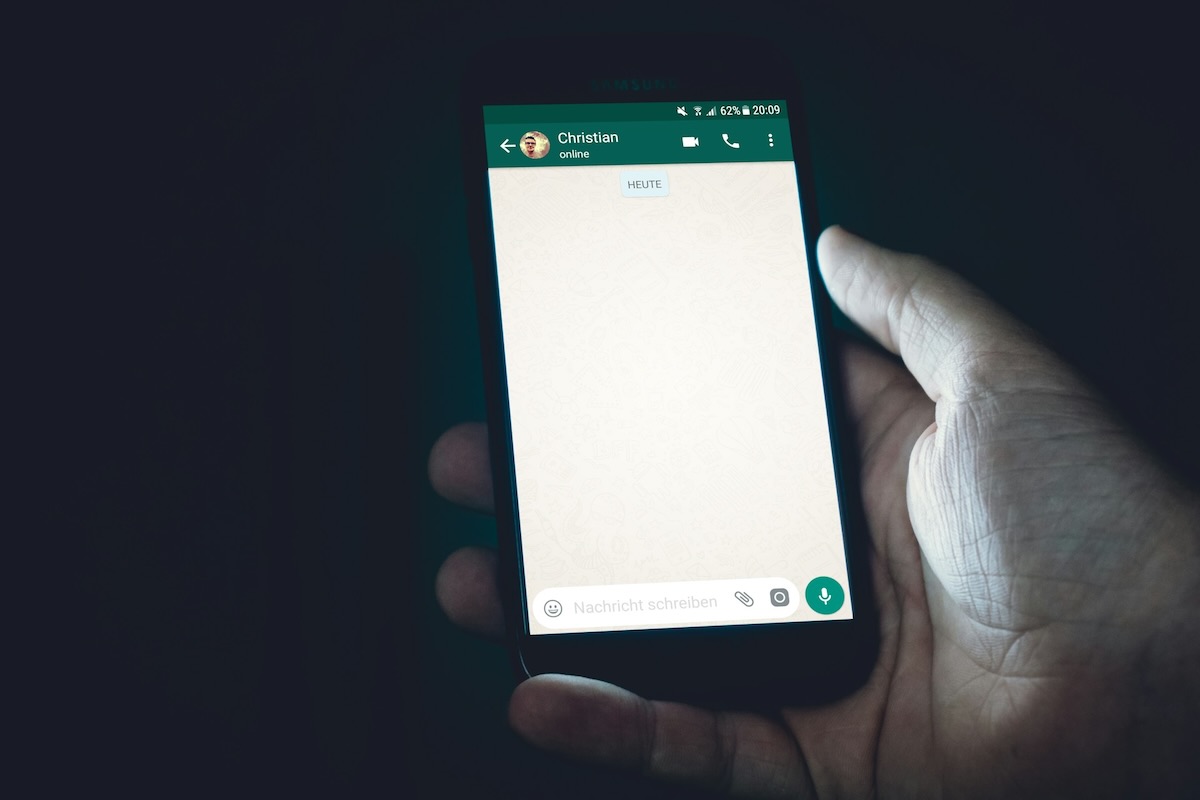
A new threat is looming on WhatsApp, exploiting users’ trust to access their accounts. Dubbed “GhostPairing,” this clever scam allows hackers to infiltrate your privacy without apparent break-in. Discover how this insidious tactic operates and the precautions to take to protect your personal data.
Summary in 3 points
The GhostPairing scam begins with an intriguing message sent via WhatsApp. Coming from a trusted contact, the message displays “Hi, I found your photo.” Natural curiosity often leads recipients to click on the provided link.
The link redirects to a fake Facebook page, similar to the original, where the user is prompted to enter a code to view the photo. This code is, in fact, a WhatsApp pairing code, allowing hackers to connect their device to your account.
Hackers do not break any technological barriers. By using WhatsApp’s native features, they go unnoticed. The user does not notice any anomalies, as their phone functions normally.
This discretion makes GhostPairing particularly insidious, as it exploits users’ trust in their contacts and the apparent legitimacy of received messages.
Once the account is compromised, hackers have access to all the user’s personal data: messages, photos, contacts. This opens the door to risks such as identity theft, blackmail, or other personalized scams.
The rapid spread of the scam, facilitated by sending messages to the victim’s contacts, amplifies its impact and reach.
To avoid falling into the GhostPairing trap, it is crucial to remain vigilant in the face of unexpected messages, even from trusted contacts. Always verify the authenticity of links before clicking and never share security codes with third parties.
Strengthen your account security by using two-step verification methods and raising awareness among your loved ones about the potential risks associated with these scams.
Launched in 2009, WhatsApp quickly became one of the most popular messaging apps in the world. With its fast pairing and instant sharing features, the app has attracted millions of users, facilitating communication on a global scale.
However, these same features that make it a powerful tool can also present vulnerabilities, as demonstrated by the GhostPairing scam. As WhatsApp continues to evolve, it is imperative for the company to improve user security and raise awareness of potential threats.