


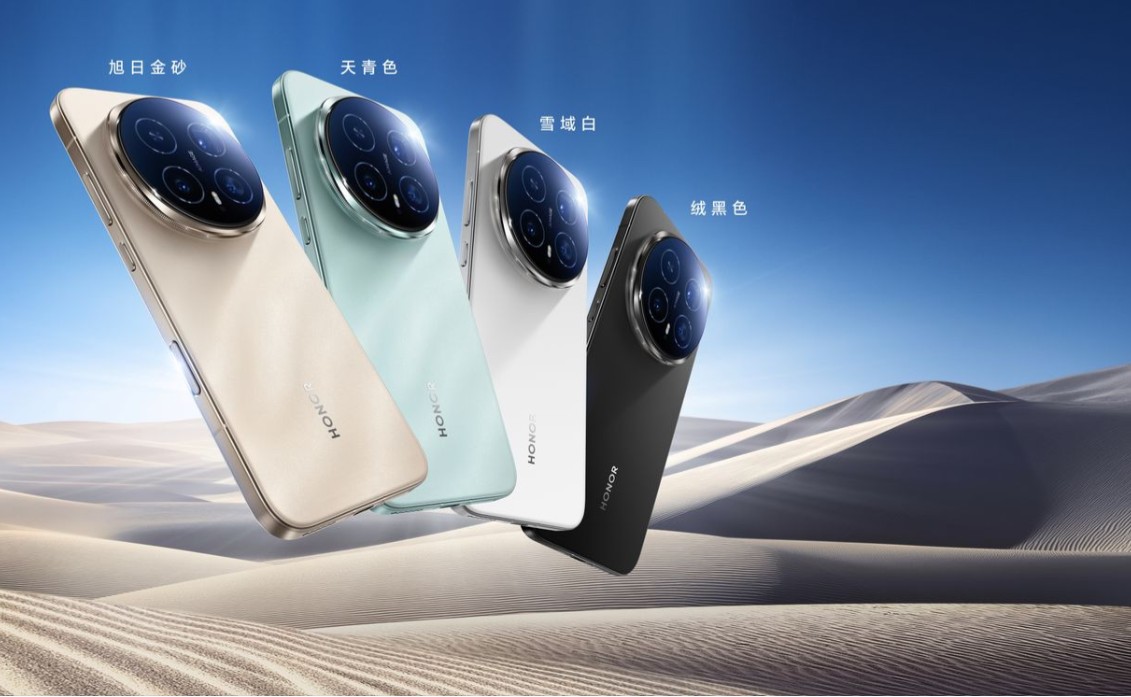
Honor is preparing to shake up the smartphone market with the announced launch of the Magic 8 Air, an ultra-thin model that could find its place among the giants. While Apple and Samsung’s attempts at similar models have been unsuccessful, Honor could make an impression with a different strategy. Discover the stakes and specifics of this newcomer in the premium smartphone universe.
Summary in 3 points
Honor is preparing to enter the compact and premium smartphone segment with the Magic 8 Air. This model, presented as a variant of the prestigious Magic 8 range, emphasizes thinness. This strategy could allow Honor to stand out in a market where Apple and Samsung have encountered difficulties.
The information, relayed by leaker RODENT950, indicates that the Magic 8 Air could well be a response to the growing demand for compact yet powerful devices. However, the question remains: is such positioning viable in the long term?
Honor has chosen to integrate the MediaTek Dimensity 9500 processor, thus abandoning Qualcomm. This choice raises questions about the device’s performance and longevity. The MediaTek processor could offer advantages in terms of cost, but its software ecosystem differs from Qualcomm’s, particularly in terms of support and updates.
The performance of the Dimensity 9500 will need to be evaluated in real conditions to determine if this technological gamble is wise. However, this decision could allow Honor to offer a competitively priced product.
The 6.31-inch LTPS OLED screen, with a 1.5K resolution and a 120 Hz refresh rate, is one of the Magic 8 Air’s assets. However, the absence of LTPO technology, which allows for dynamic refresh rate adjustment, could impact battery life.
In terms of photography, the model will include a 200 MP main sensor and a 50 MP telephoto lens, although the absence of an ultra-wide-angle lens may limit its versatility. Integrating a 5500 mAh battery into a casing only 5 to 6 mm thick represents a major challenge for Honor.
The Magic 8 Air could be marketed as early as January 2026, at least in China. However, this information remains unconfirmed by Honor, and the final specifications could differ from the current data. The launch of this ultra-thin model is bold, especially considering the failures of similar models by Apple and Samsung.
Honor’s decision to embark on this venture could either prove to be a masterstroke or a resounding failure. The compact and ultra-thin smartphone market is complex, and only innovation and commercial strategy will determine if Honor can establish itself there.
Founded in 2013 as a sub-brand of Huawei, Honor quickly established itself in the smartphone industry with its innovative and affordable models. Following US sanctions against Huawei, Honor was separated to continue operating independently, allowing it to pursue its activities without the restrictions imposed on its parent company.
Since then, Honor has sought to expand its presence in the global market with increasingly sophisticated products. The launch of the Magic 8 Air is part of this expansion strategy, aiming to conquer the premium smartphone segment and strengthen its position against giants like Apple and Samsung.