


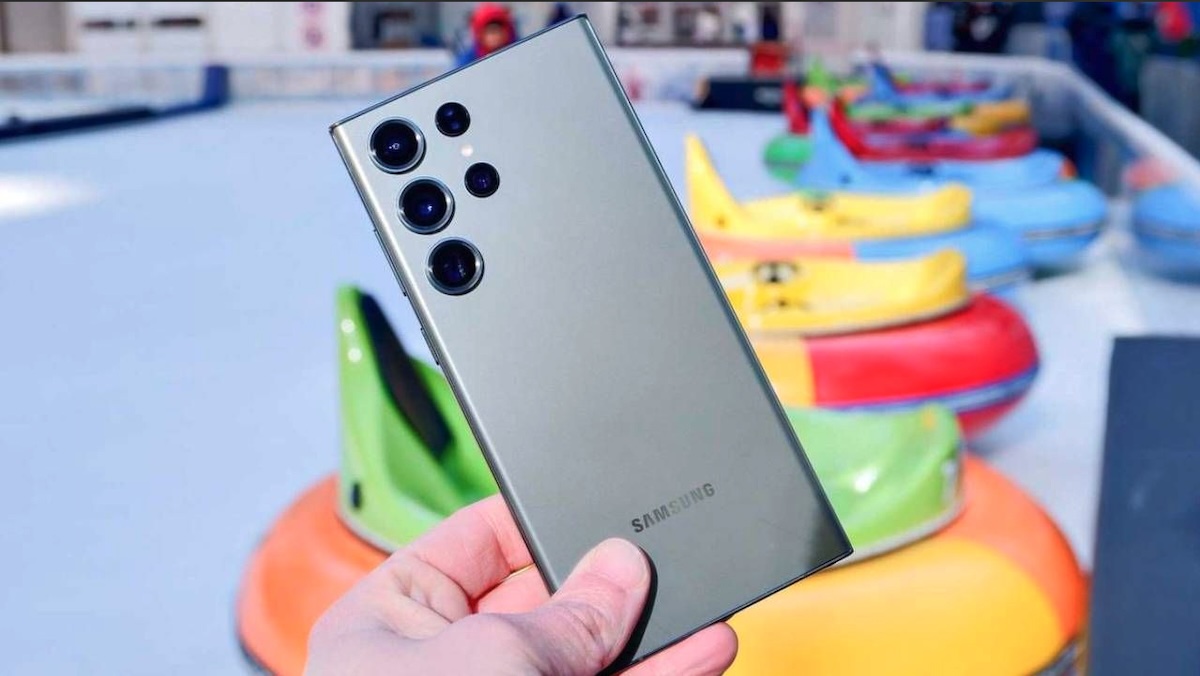
While the tech market anticipated a price increase, Samsung surprised everyone by choosing not to raise the price of its upcoming Galaxy S26. This decision is intriguing, especially in a context where production costs continue to rise. What is the strategy behind this unexpected choice?
The essential points to remember
The Korean tech giant finds itself in a complex situation. With rising production costs and a saturated market, the expectation was that Samsung would raise the price of its new models. Yet, the company has decided to maintain the price of the standard Galaxy S26 at 799 dollars, defying market forecasts.
This decision was confirmed by leaks from Korea, a few months before the official announcement scheduled for February. Samsung’s strategy seems to be to maintain competitiveness in the market, particularly against aggressive Chinese competition and the growing influence of the iPhone 17.
The component shortage affects the entire tech industry, with increased demand for key elements like DRAM memory and Snapdragon chips. These components are essential for ensuring high performance, but their scarcity has inevitably driven up prices.
For Samsung, maintaining the price of the Galaxy S26 without increasing the bill requires finding alternative solutions. Thus, models intended for the European market could be equipped with the Exynos 2600 processor, which is less expensive than its Snapdragon counterpart.
Samsung seems ready to reduce its margins to preserve its market share. By maintaining the price of the Galaxy S26, the company hopes to avoid a drop in sales that could have occurred with a higher price. However, this strategy could result in compromises on certain technical features of the product.
The consumer will therefore have to choose between paying the same price for a potentially less performant product or accepting an increase to benefit from advanced technologies. Moreover, some pre-order bonuses, such as doubling the storage, might be removed to compensate for maintaining the prices.
Samsung is one of the global leaders in the smartphone market, known for its constant innovations and high-quality products. With increasingly fierce competition, notably from Chinese manufacturers and Apple, Samsung seeks to maintain its dominant position by adapting its pricing and product strategies.
Maintaining the price of the Galaxy S26 is part of this broader strategy aimed at preserving the brand’s competitiveness. While potentially sacrificing some margins, the company seeks to retain its customer base and attract new users, hoping to compensate later with additional services or higher-end models.