


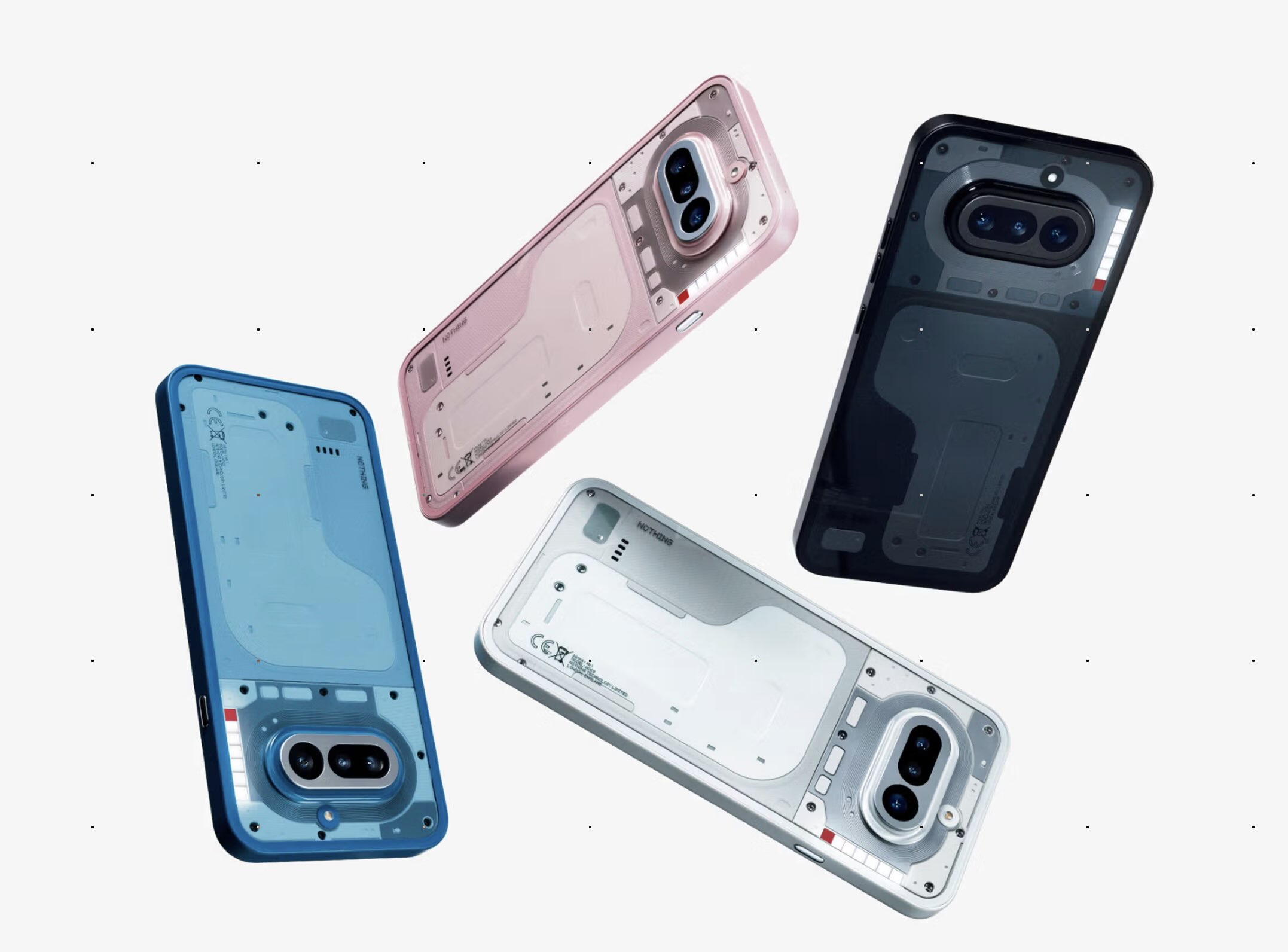
With its new Nothing Phone 4a, the young brand Nothing continues to establish itself in the mid-range smartphone market. Offering a camera with impressive zoom and an innovative design, this model aims to attract technology enthusiasts. However, its ability to integrate into a professional setting remains to be proven. Discover the specifics of this smartphone, from its bright screen to its intriguing Glyph Interface.
The essentials to remember
The Nothing Phone 4a marks a turning point with its camera system. Equipped with a 50 MP periscopic lens and a main sensor of the same resolution, it excels in zoom. The digital zoom reaches up to 70x, and the optical zoom 3.5x, allowing for capturing details at a distance with sharpness and realistic colors. However, the ultra-wide-angle lens leaves something to be desired, producing blurry images.
The aesthetics of the Nothing Phone 4a rely on its Glyph Bar, an innovation consisting of 63 mini-LEDs. This feature can be customized via the Glyph Interface, where users associate light scenarios with specific notifications. The minimalist design of Nothing OS 4.1, based on Android 16, complements this unique experience. Although the software requires some adaptation time, it stands out for the absence of bloatware, bringing appreciated serenity.
With a 5,080 mAh battery, the Nothing Phone 4a offers good autonomy, allowing for a full day of use without worry. The smartphone charges quickly, reaching 50% in 21 minutes thanks to 50 W fast charging. However, wireless charging is not available. In terms of updates, Nothing promises three years for Android and six years for security, demonstrating a commitment to sustainability.
The core of the Nothing Phone 4a is powered by the Snapdragon 7s Gen 4, ensuring a smooth user experience, although far from being the fastest on the market. The GPU performance, provided by the Adreno 810, is satisfactory for daily use, but does not compete with more powerful models.
In a market where planned obsolescence is often criticized, the sustainability of smartphones becomes a major issue. The Nothing Phone 4a stands out with its Ecolabel A, but the question of environmental sustainability remains relevant for many manufacturers. Consumers are increasingly attentive to the origin of materials, production conditions, and the possibility of repairing their devices. This trend towards “ethical electronics” pushes brands to rethink their production chains and offer more environmentally friendly products.