


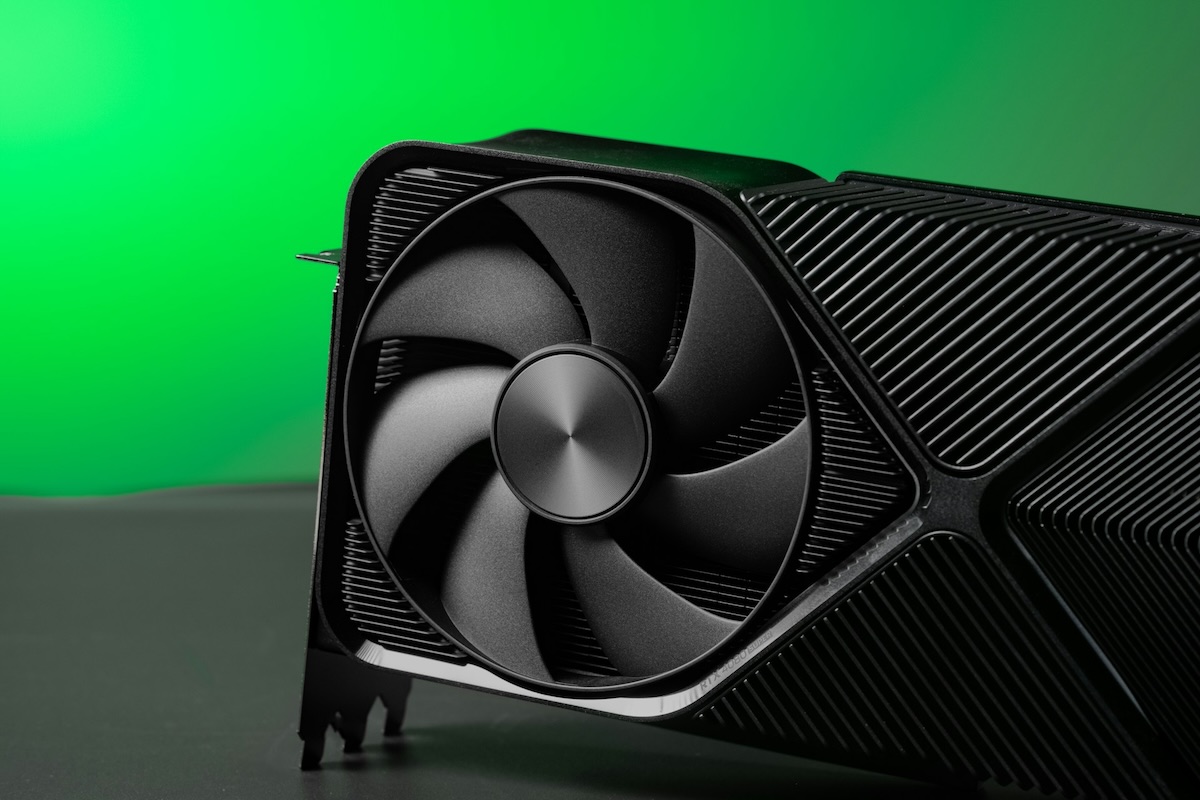
Have you ever wondered how your computer manages to render spectacular video games or complex 3D simulations with such fluidity? Behind these visual feats lies a component often misunderstood but essential: the graphics card. Let’s dive together into the fascinating world of these technological devices that are becoming increasingly indispensable for demanding users.
The 3 must-know facts
Graphics cards play a fundamental role in the performance of modern computers, especially those dedicated to video games. They are responsible for transforming digital data into visible images on your screen. This capability is particularly appreciated by gamers seeking an immersive and smooth experience.
The main manufacturers of graphics cards, AMD, Intel, and NVIDIA, continually push the limits of these components to offer ever-higher performance. Whether for gaming, video editing, or 3D modeling, graphics cards have become essential in many fields.
Branch Education, through an educational video, delved into the workings of graphics cards using a detailed scene from “Red Dead Redemption 2”. The graphic rendering of this scene involves 2.1 million vertices and 3.5 million triangles, demonstrating the complexity of the calculations performed by the GPU (Graphics Processing Unit).
The video covers concepts such as rasterization, a process that transforms 3D models into pixels on the screen, and the depth buffer, which helps determine which objects are visible in a given scene. These explanations are accompanied by concrete examples, making the technology accessible even to the uninitiated.
The video by Branch Education is a valuable resource for those wishing to understand the fundamentals of graphics cards. Concepts like pixel fragment shading, which involves applying textures and colors to pixels, are explained simply and illustrated, facilitating learning.
By addressing these topics pedagogically, the channel allows users to better understand the technology behind their screens. This knowledge can not only enrich the user experience but also help make informed choices when purchasing new hardware.
For many years, AMD, Intel, and NVIDIA have dominated the graphics card market, each bringing its innovations and unique technologies. NVIDIA is often recognized for its advances in ray tracing and AI, while AMD offers competitive solutions in terms of performance/price. Intel, although traditionally focused on processors, is entering the GPU market with its own technologies.
These companies continue to engage in fierce competition, thus driving innovation and continuous improvement of graphics cards. For users, this means increased performance and increasingly immersive visual experiences.