


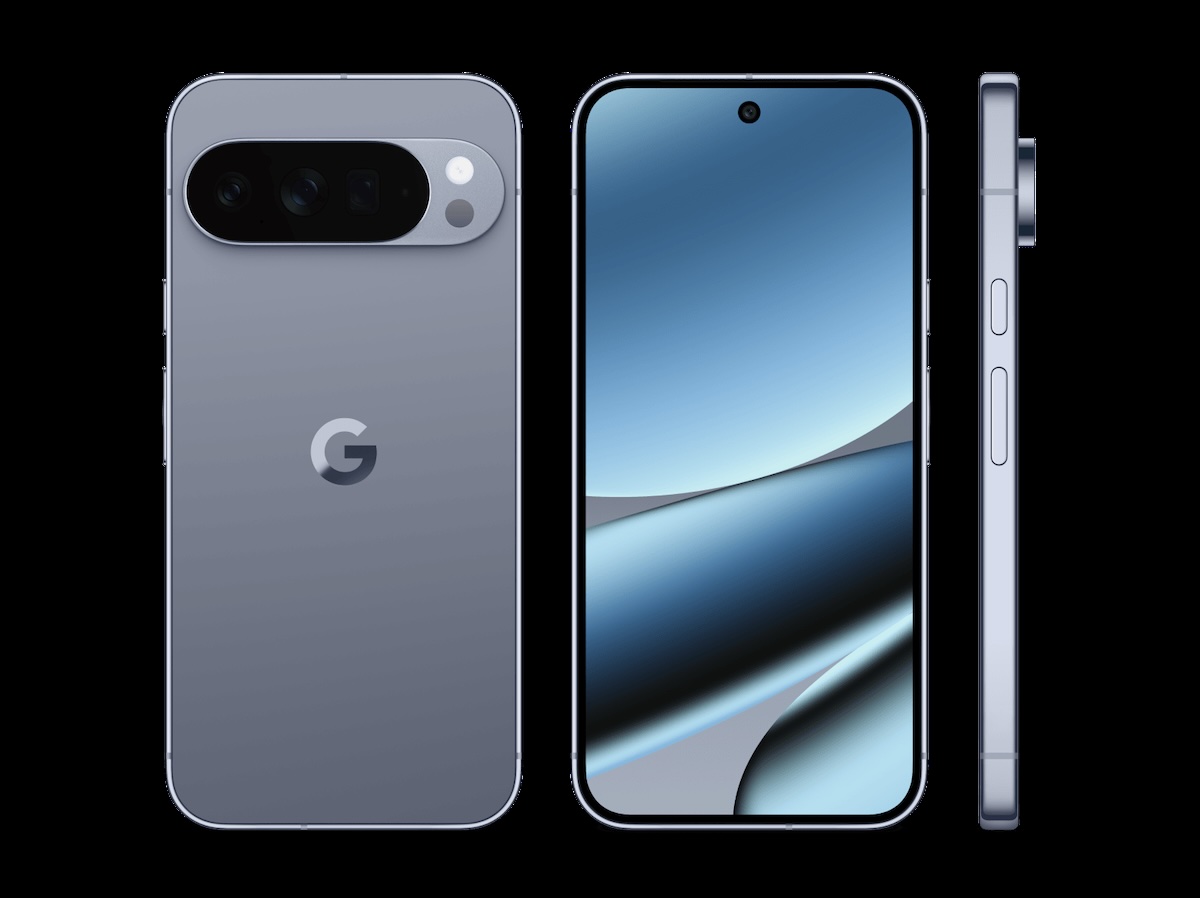
The latest update for Google Pixel, intended to bring improvements, has elicited mixed reactions among users. While some features have been enhanced, others, like the app launcher search bar, have disappointed many owners. Why has this change caused such discontent? Analysis.
Summary in 3 points
In November, Google Pixel users discovered several new features integrated into their smartphones. Among these novelties, the Android 16 QPR2 update, which improved the overall smoothness of the devices. However, not all changes proved positive.
The home screen search bar, previously very convenient for launching web searches or quickly accessing apps, was replaced by a new version. This latter, although described as “improved,” disappointed many users due to its slowness and the removal of certain options.
The update replaced the integrated search tool of the Pixel launcher with a search bar managed by the Google app. This change resulted in slower web searches and the disappearance of options to browse contacts and settings directly from the home screen.
The new interface now occupies the entire screen, making its use similar to that of other Android devices. This standardization is not to the liking of all users, who miss the efficiency of the old tool.
Google’s choice to modify its app launcher is part of a broader strategy. The tech giant is paving the way for the integration of an AI mode, announced last May, which promises more in-depth web searches and the resumption of sessions directly from the search bar. However, this feature is not yet available internationally.
This anticipation has left many users puzzled, with some wondering if this improvement is worth it, given the lost features.
The reaction from Google Pixel users was swift. Many expressed their dissatisfaction with what they perceive as a regression. Forums and social networks reflect this frustration, with some hoping that Google will reverse course.
For now, the Mountain View firm has not announced any rollback on this feature. Users will therefore have to be patient and hope that the arrival of the AI mode compensates for the current drawbacks.
The Google Pixel is the flagship range of smartphones launched by Google in 2016. Designed to offer a pure Android experience, it stands out for its fast software updates and innovative features. Since its launch, the Pixel has evolved to include advanced features like AI-assisted photography and improved voice recognition.
Google has always sought to integrate cutting-edge technologies into its devices while maintaining a sleek design and intuitive use. The recent update, although controversial, is part of this tradition of continuous innovation, aiming to push the limits of smartphone capabilities.