


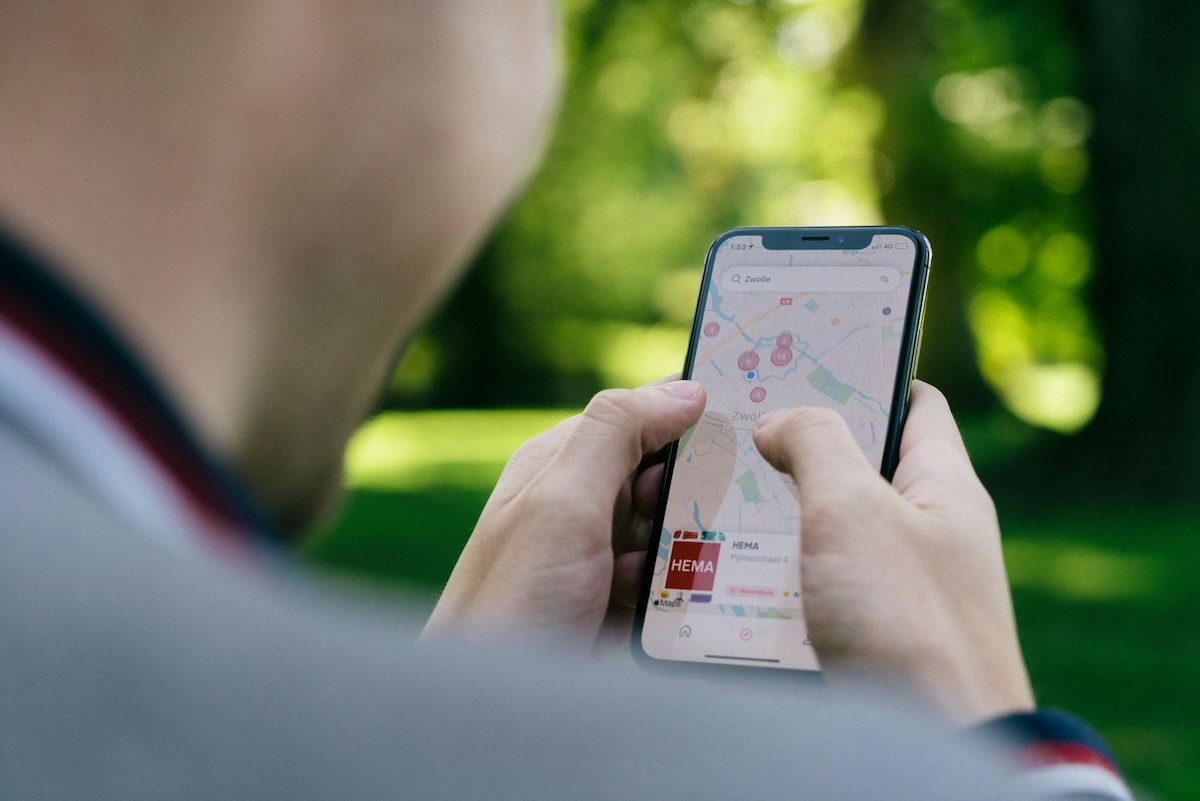
Have you ever found yourself in a situation where losing your phone plunged you into anxiety? Or have you ever wished to track a loved one’s location to ensure their safety? Google Maps offers a solution that is often overlooked but very effective in meeting these needs. Discover how this tool can turn your mishaps into simple anecdotes.
The 3 key points not to miss
Google Maps, well known for its navigation features, also offers solutions for locating a lost device. However, to take advantage of this option, certain conditions must be met. It is imperative that the app is installed and updated on the phone you wish to locate.
User permission is also necessary to access their location. This permission is generally given during the first use of the app, but it is wise to check that the location function is indeed activated. This can be done in the device settings, under “Privacy and Security” for iPhones, and “Location” for Android devices.
Locating a phone can be of great help in various situations, whether it’s an emergency, a theft, or simply to find a misplaced device. However, it raises important questions regarding privacy. It is essential to obtain the user’s consent before sharing their location, as failing to do so may lead to legal consequences.
It is also important to consider the management of information revealed by location histories. Responsible use of this data is essential to protect everyone’s privacy.
Although powerful, Google Maps is not infallible. The accuracy of the location can be affected by various factors, such as geography and the quality of available signals. Moreover, if the user has not authorized location sharing in advance, the app will not be of much use in case of loss or theft.
In such situations, it is better to turn to location apps provided by the phone manufacturer.
Google Maps was launched by Google in 2005 and quickly became one of the most popular digital mapping tools in the world. Initially designed to offer navigation services, it gradually integrated advanced features such as satellite view, public transport routes, and real-time location.
Thanks to its constant development, Google Maps has played a crucial role in how users interact with their environment, transforming geolocation into an integral part of our daily lives.
Source: